

The question of whether composers can earn a sustainable living from writing music alone has been widely discussed across industry reports, labor statistics, and platforms such as Reddit. The short answer: some composers do, but most rely on multiple income streams.
According to the U.S. Bureau of Labor Statistics, the median annual wage for music directors and composers was approximately $63,670 in 2024 (BLS Occupational Outlook Handbook). However, this category includes conductors and other roles, and income varies dramatically.
A 2009 “Taking Note” survey by the American Music Center found that only about 10% of composers earned their primary income from composing alone. More recent surveys confirm that diversification remains essential.

Income Breakdown by Type of Composer
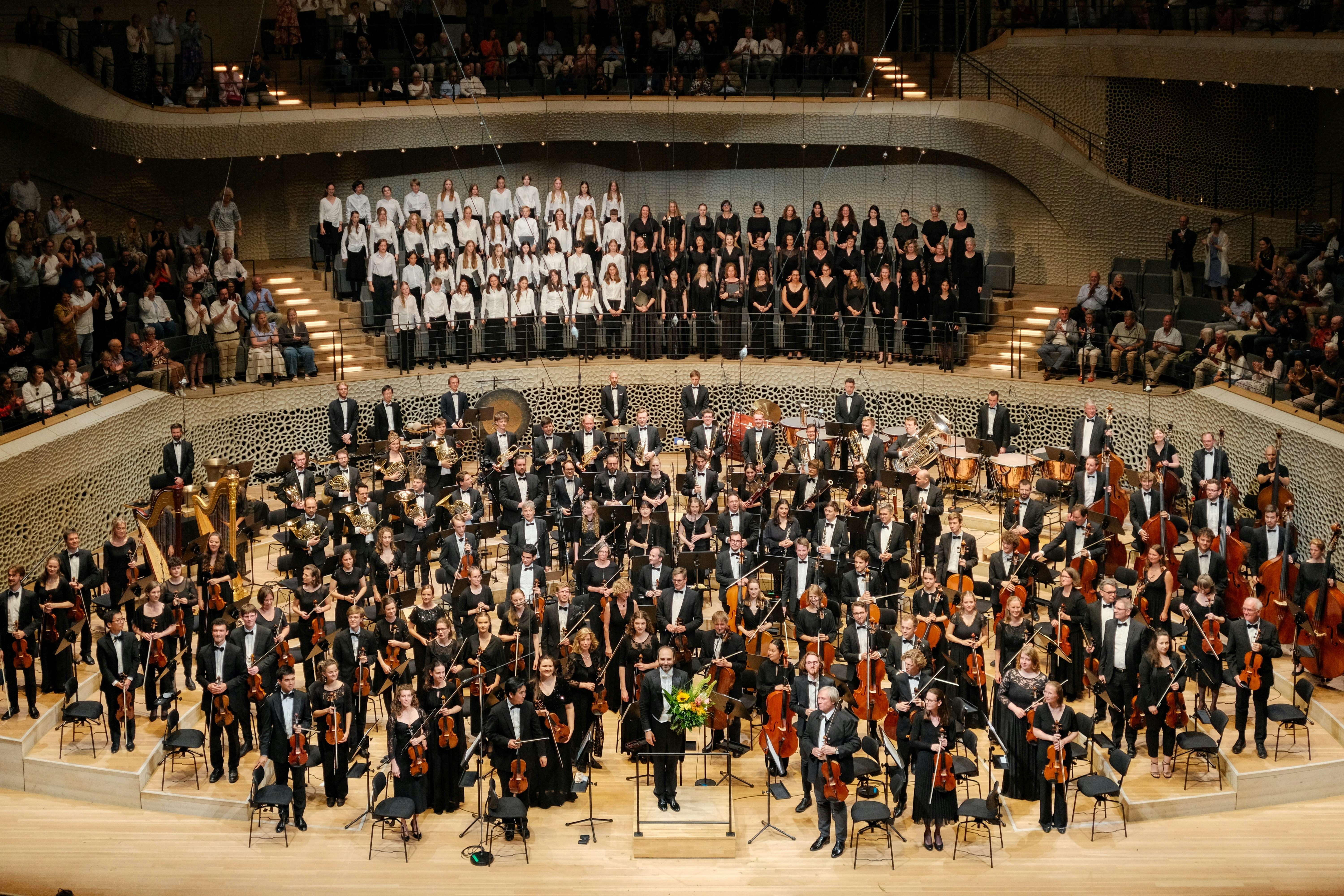
1. Classical / Concert Composers
Classical composers typically earn through commissions, grants, teaching, and royalties. A survey published by NewMusicBox found that many commissions pay modest fees, with a median commission around $1,500, and 37% paying nothing at all (Composer Commission Pay Survey).
Many classical composers work in academia. Reddit discussions in r/composer frequently note that university teaching is often the most stable source of income.
2. Film and Television Composers
Film composers typically earn through upfront scoring fees and performance royalties. According to industry insights summarized by Your Music, Your Future, backend royalties collected by ASCAP, BMI, SESAC, or GMR can become the largest long-term income source for media composers.
However, streaming platforms have changed royalty structures, and many composers report lower residual income compared to traditional broadcast television.

3. Video Game Composers
Game composers often work freelance per project. According to the 2021 Game Audio Industry Survey, average salaries vary widely, with freelancers earning significantly less than salaried studio composers.
Performance royalties are rare in gaming compared to television, meaning most compensation is upfront project-based pay.

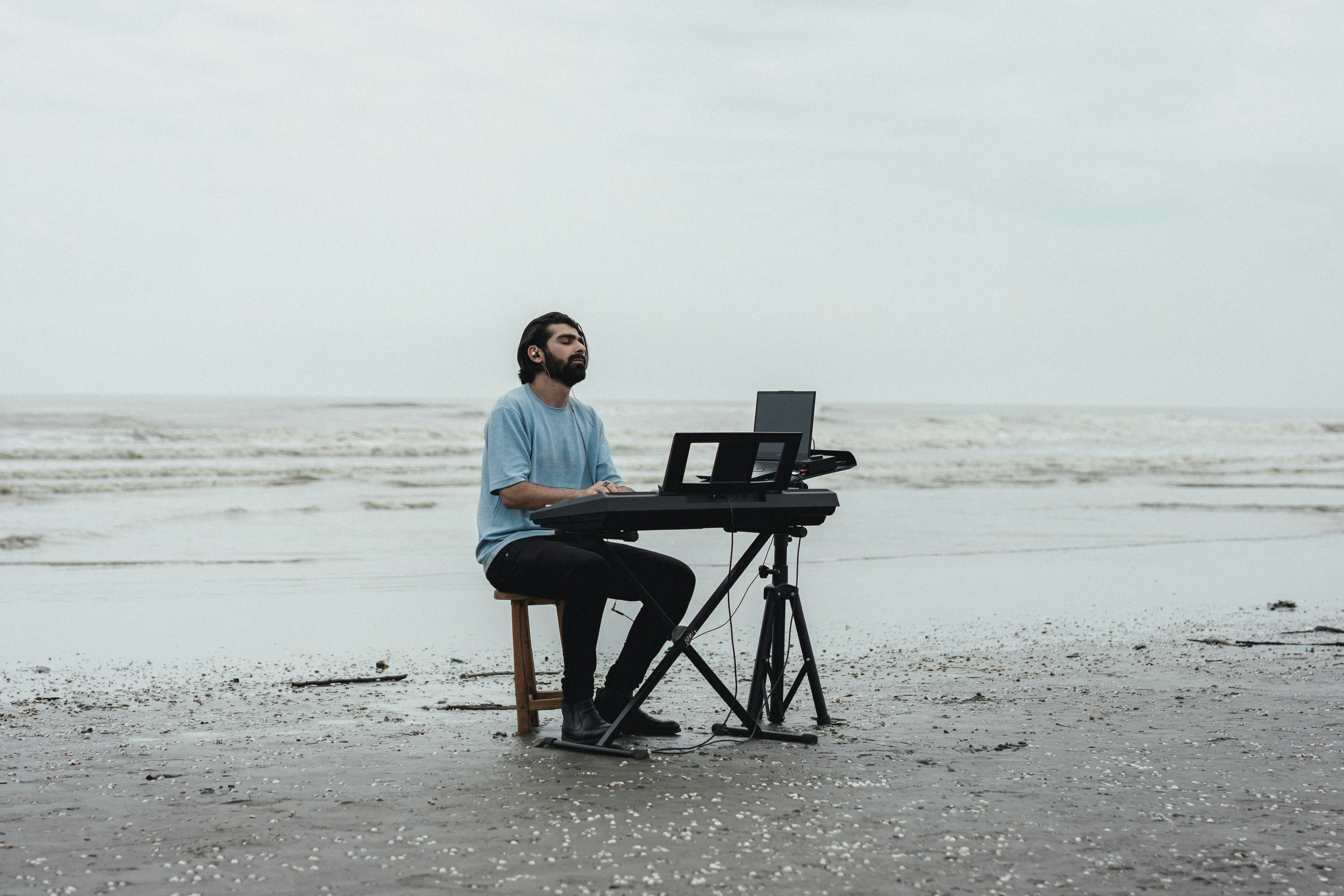
4. Independent / Indie Composers
Independent composers often rely on licensing, streaming, crowdfunding, and Patreon. However, streaming platforms pay very low per-stream rates. Many indie composers supplement income through teaching, live performance, or unrelated work.
Major Income Streams for Composers
- Commissions – Payment to create original works for ensembles, films, games, or organizations.
- Performance Royalties – Earnings from public performances or broadcasts.
- Mechanical Royalties – Earnings from recordings and streaming.
- Sync Licensing – Licensing music for film, TV, ads, and games.
- Teaching – University or private instruction.
- Grants and Fellowships – Public arts funding and private foundations.
- Crowdfunding – Platforms like Patreon and Kickstarter.
Real-World Example
Many composers publicly share that their careers depend on diversification. On Reddit’s r/composer, professionals frequently state that teaching, arranging, and production work make up a large portion of their income.
In India, a 2023 EY report found that while 87% of music creators aspire to earn a living from music, only 60% do so full-time (EY Music Creator Economy Report).
This reflects a global pattern: composers often build portfolio careers rather than relying solely on writing music.
Conclusion
While it is possible to earn a living as a composer, the majority do not rely exclusively on composition income. Instead, successful composers typically combine multiple revenue streams. The modern composer must balance artistic work with business skills, networking, and financial planning.
Frequently Asked Questions (FAQ)
1. Can composers live solely from writing music?
Only a minority can. Surveys suggest roughly 10–25% of composers rely primarily on composition income, depending on region and genre.
2. What type of composer earns the most?
Top film and television composers often earn the highest incomes due to large project budgets and royalties. However, competition is intense and success is rare.
3. Do streaming platforms provide significant income for composers?
Generally no. Streaming royalties are typically too low to sustain most composers unless they achieve millions of streams consistently.
4. Why do many composers teach?
Teaching provides steady and predictable income, which balances the irregular nature of commissions and royalties.
5. What is the most reliable income source for composers?
For many, performance royalties (when applicable) and teaching positions provide the most consistent long-term income.